Timely maintenance and repair of your roof are crucial to safeguarding one of your most significant investments—your home. Delaying necessary roof repairs might seem like a cost-saving measure in the short term, but in the long run, it can lead to considerably higher expenses and extensive complications. The roof is a vital component of your home's structural integrity, and neglecting its upkeep can lead to a cascade of issues that affect everything from your finances to your health. This article delves into the various aspects of why postponing roof repairs can ultimately be more costly, exploring factors like increased damage over time, higher energy costs, decreased property value, health and safety risks, warranties and insurance complications, and environmental impact. Understanding these facets can help homeowners make informed decisions about timely roof maintenance.
1. Increased Damage Over Time
1.1 Water Damage and Leaks
When a roof begins to leak, the damage doesn't stop at water stains on the ceiling. Water infiltration can lead to significant structural damage, affecting everything from the wooden framework to the interior decor of your home. Left unchecked, these leaks can cause drywall and insulation to deteriorate, leading to increased repair costs. Furthermore, water damage is not just an aesthetic concern; it can compromise the integrity of your home's structure, creating unsafe living conditions. Promptly addressing roof leaks averts these issues and prevents minor problems from escalating into major repairs.
1.2 Structural Deterioration
Continuous water exposure from a damaged roof can weaken the structural elements of your home. This deterioration often occurs slowly, becoming noticeable only when it reaches advanced stages that require costly intervention. Regular maintenance checks can mitigate these issues by catching structural compromises early. Homeowners should understand that the cost of replacing significant structural components far exceeds that of timely roof repairs. Investing in your roof's health is essentially an investment in your home's overall longevity and safety.
1.3 Escalation of Existing Damage
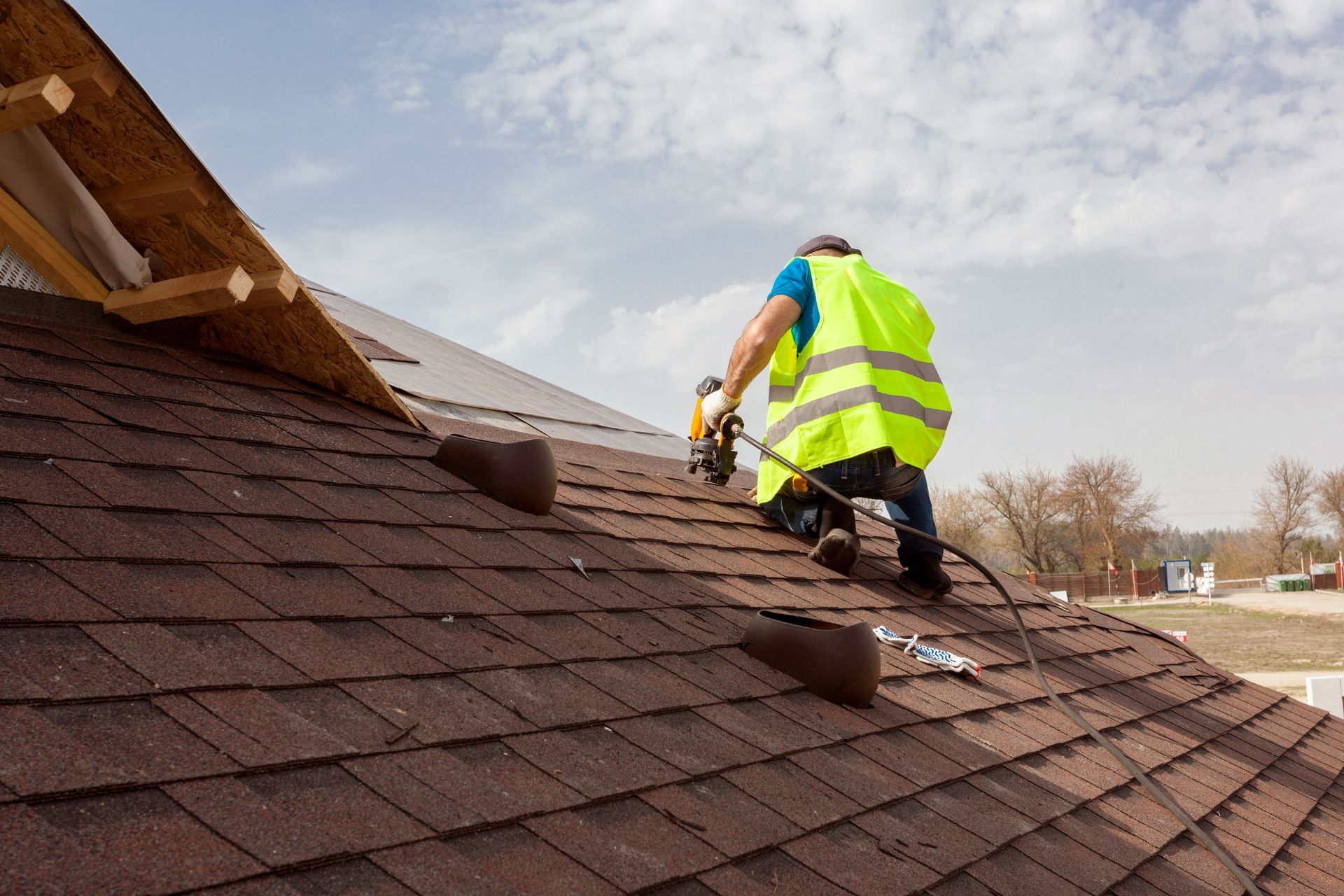
Ignoring minor issues such as missing shingles or a small leak can cause disproportionate escalation in damage. Asphalt shingles, the most common roofing material used in about 80% of roofing projects, are designed to shield from various environmental factors. Missing even a single shingle can expose the underlying materials, leading to further deterioration. The longer these issues are ignored, the greater the likelihood that more extensive and intensive repairs will be necessary. By addressing these problems promptly, homeowners can avoid compounded repair costs and extend the lifespan of their roof.
1.4 Compromised Insulation
A compromised roof often correlates with damaged insulation layers. Wet or damp insulation loses its efficiency, failing to maintain desired indoor temperatures. As a result, the overall energy efficiency of the home decreases, leading to higher utility bills. Over time, the cost of increased energy usage will surpass the expense of repairing the roof and restoring proper insulation. Understanding this impact highlights the importance of maintaining a well-functioning roof as a key component of an efficient home infrastructure.
1.5 Expensive Emergency Repairs
Neglecting roof maintenance sets the stage for unexpected emergencies, often requiring urgent attention and high costs. Emergency repairs typically come at a premium due to the immediate manpower and resources needed to address severe damage. Regular maintenance can prevent small issues from becoming emergencies, saving homeowners from unexpected financial burdens. Additionally, sudden repairs are more inconvenient and disruptive to everyday life. By investing in regular roof inspections and maintenance, homeowners can avoid last-minute crusades to fix sudden roof failures.
2. Higher Energy Costs
2.1 Heat Loss During Winter
Aging or damaged roofs may not provide the insulation necessary to keep homes warm during colder months. Heat loss through a compromised roof forces homeowners to rely more heavily on heating systems, thereby increasing energy consumption. More than just an inconvenience, this added energy usage contributes to higher utility bills each winter. Addressing roof issues before they worsen ensures a warm, energy-efficient home without incurring significant heating costs. Ultimately, properly maintained roofs help to alleviate the financial strain associated with excessive winter energy bills.
2.2 Increased Cooling Needs During Summer
Just as damaged roofs allow heat to escape during winter, they can also let unwanted heat in during summer. Increased air leakage results in higher indoor temperatures, prompting greater reliance on air conditioning systems to maintain comfort. This continual use leads to increased electricity consumption and significantly higher energy bills in summer months. Importantly, ensuring your roof is free from defects effectively moderates interior conditions, possibly lowering cooling needs. Proactive roof care enhances the home's ability to maintain a comfortable environment year-round with less dependency on cost-intensive cooling systems.
2.3 Inefficient Thermal Regulation
Inefficiencies in thermal regulation can arise from inadequate roofing. Fluctuating temperatures caused by poor insulation place additional strain on HVAC units, making them work harder to maintain consistent temperatures. This strain not only increases energy consumption but also escalates wear and tear on HVAC systems, potentially leading to premature unit failure. An efficient roof acts as a barrier, preserving indoor temperature stability and reducing the pressure on heating and cooling systems. Homeowners who prioritize roof repairs can extend the life of their HVAC equipment while simultaneously cutting seasonal energy costs.
3. Decreased Property Value
3.1 Negative Impact on Appraisal
Property appraisals consider the overall condition of a home, including the state of its roof. A neglected roof can significantly decrease the appraisal value, impacting potential selling prices and refinancing opportunities. Investment in timely roof repairs not only preserves the property's appearance but also maintains its market value. Buyers are more likely to invest in homes with well-maintained roofs, reflecting care and attention to the property’s overall condition. Ensuring a well-maintained roof can enhance appraisals, helping homeowners secure better selling or refinancing terms.
3.2 Difficulty in Selling
A deteriorating roof can be a major detriment when attempting to sell a home. Prospective buyers often see a damaged roof as a red flag, worrying about potential repair costs and ongoing maintenance issues. Consequently, homes with roof damage may spend longer on the market and attract fewer buyers. Rectifying roof problems prior to listing can eliminate these concerns, streamlining the sale process and enhancing buyer interest. Investing in roof repairs is a crucial strategy for homeowners aiming to sell their property swiftly and at a desirable price point.
3.3 Reduced Curb Appeal
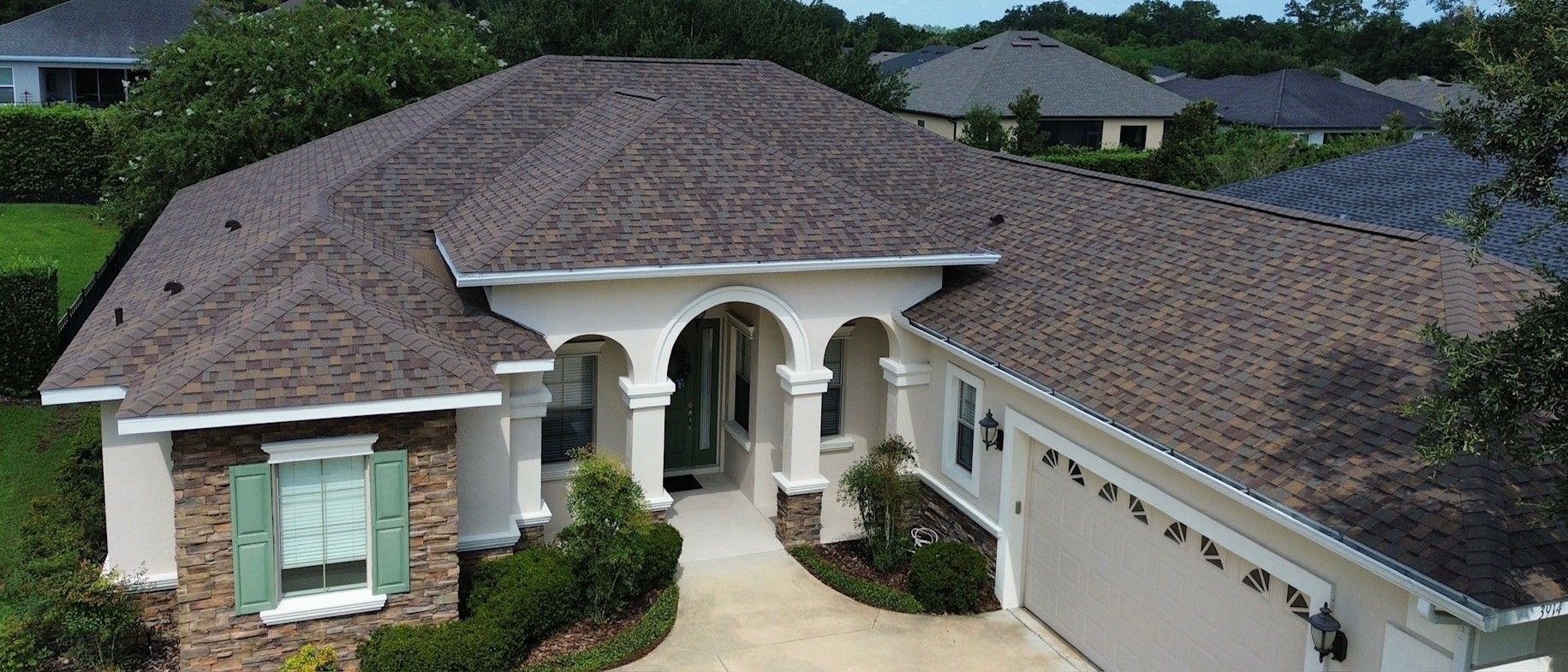
The roof significantly impacts a home's curb appeal, often setting the first impression for prospective buyers or guests. Worn or visibly damaged roofs can deter interest due to perceived neglect and potential underlying issues. Proactive roof maintenance, including repair or replacement of worn shingles, ensures the home remains attractive and inviting. This enhancement in curb appeal can result in improved marketability and value perception. Prioritizing the roof's condition is essential for maintaining a visually appealing and competitive property on the market.
In conclusion, delaying roof repair is a costly mistake that affects more than just your bank balance; it impacts energy efficiency, property value, health, safety, warranties, insurance premiums, and even the environment. By taking proactive steps to maintain and repair your roof, you not only safeguard your home but also contribute positively to broader, long-term sustainability goals. A commitment to timely roof maintenance mitigates a range of potential issues, from structural damage and increased energy usage to environmental impacts and compromised indoor air quality. Ultimately, prudent investment in roof care ensures a more stable, energy-efficient, and market-competitive home. This responsibility not only guards against unnecessary expenses but also upholds the integrity and longevity of your most significant investment—your home. According to RubyHome, asphalt shingles are the most common roofing material, used in roughly 80% of roofing projects. Be sure to reach out to Quality Services Roofing LLC today to learn more about our professional roof repair!